
How to Print Name Badges from Universe.com
If you're running a Universe.com event and you need Universe name badges today, you don't want to wrestle with Word mail merge or spend your morning nudging text boxes. The reliable workflow is:
- Export Universe attendees to CSV or Excel (XLS)
- Import the exported file into BadgeFlow
- Generate a print-ready name badges PDF and hit Print
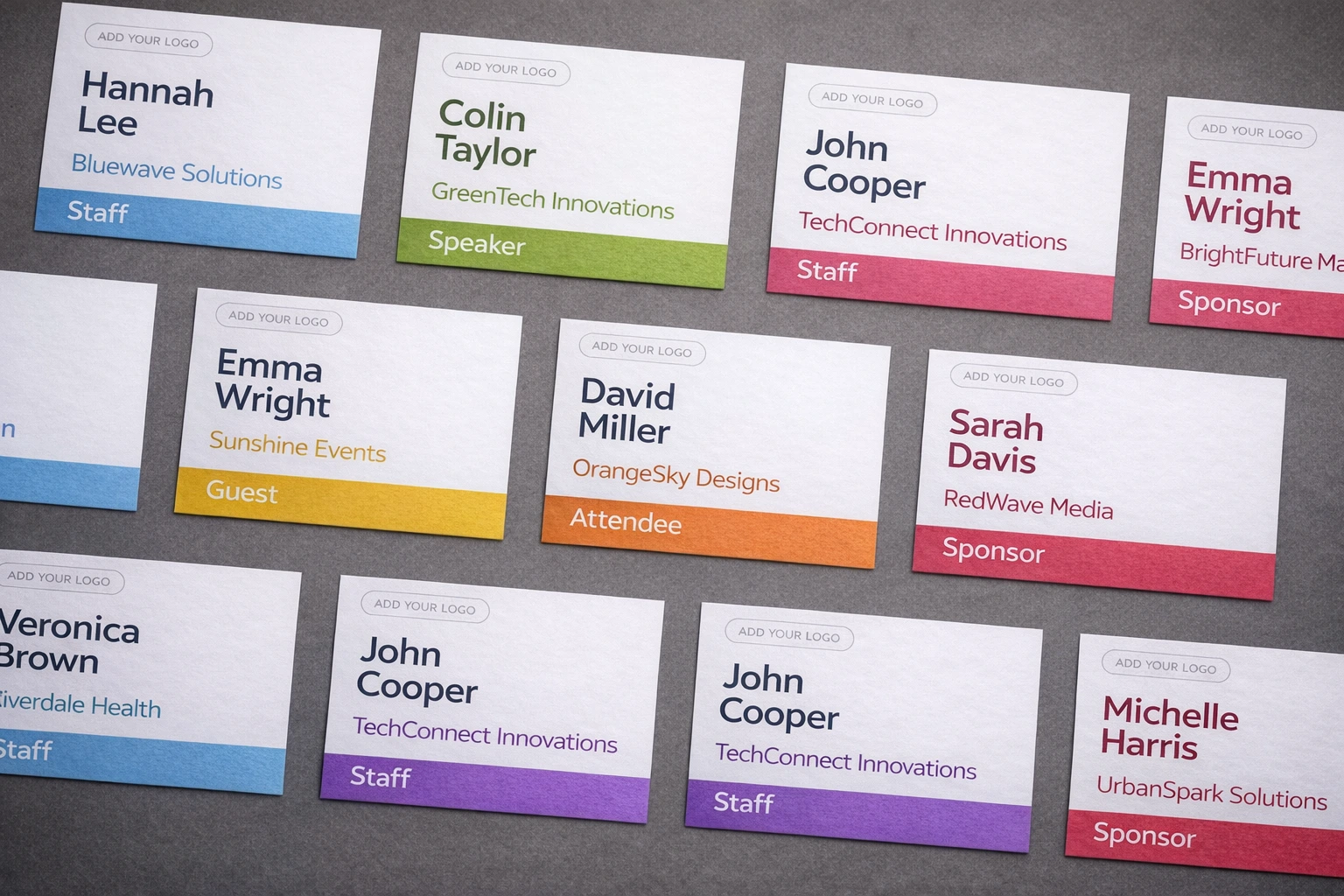
What you'll need
- Your Universe.com event (with tickets already sold / attendees registered)
- A report export from Universe (CSV or XLS)
- BadgeFlow open in your browser: badgeflow.app
- Paper stock you plan to print on (A4/Letter sheets, badge sheets, or badge-printer stock)
Step 1 — Export your Universe guest list (CSV or XLS)
Universe gives you several report types. For name badges, you'll usually want something that's closest to one badge per person (or per ticket).
Option A (recommended): Download the Guestlist Report
This is the most straightforward export for badges. Universe lets you download it as CSV or XLS.
Use Universe's official manual for the exact UI path (it changes occasionally): Download your guestlist report (Universe Help)
Option B: Download the Orders Report (useful for buyer / billing details)
If you need purchaser details, totals, fees, or you're reconciling ticket purchases, export the Orders Report.
Official manual: Orders Report (Universe Help)
Option C: Create a Custom Report (best for custom checkout questions)
If you collected extra fields (company, role, team, dietary, etc.), a Custom Report can be the cleanest way to include exactly the columns you want on badges.
- Create a custom report and select the columns you need.
- If you want checkout questions included, look for Host fields in the column list.
Official manual: Create custom reports for your events (Universe Help)
Quick rule of thumb: Guestlist vs Orders vs Custom
- Choose Guestlist if you want one badge per attendee/ticket (most events).
- Choose Orders if you need buyer/order details or finance-related columns.
- Choose Custom if you want specific columns (especially checkout questions) with minimal cleanup.
If you're not sure which report to pick, Universe lists available report types here: Download your reports (Universe Help)
Step 2 — Clean up your CSV or XLS file (optional, but saves headaches)
You can often import the Universe export as-is. But a quick tidy helps avoid awkward badge fields (like printing "N/A" or empty labels).
Checklist
- Remove columns you won't use (less clutter when mapping fields).
- Check name fields:
- If you have First Name and Last Name, great.
- If you only have a single Name-style column, also fine (BadgeFlow can use it directly).
- If you collected checkout questions (company, role, etc.), confirm those columns appear (Custom Report is often best).
- Standardise casing if you care (e.g., "alex" → "Alex").
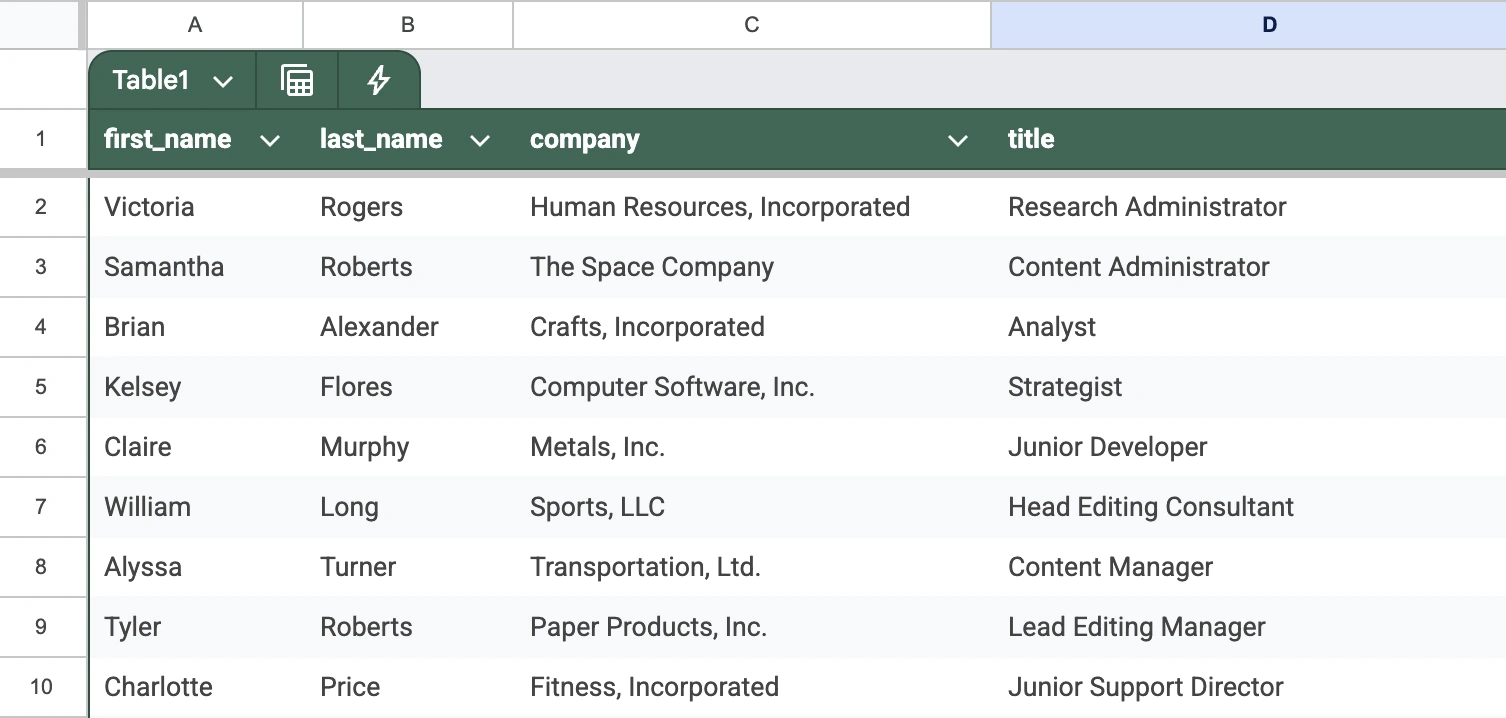
If your attendee data lives in a spreadsheet rather than a Universe export, our guide on name badges from Excel covers column preparation tips that apply here too.
Step 3 — Import the Universe CSV or XLS file into BadgeFlow
- Open BadgeFlow.
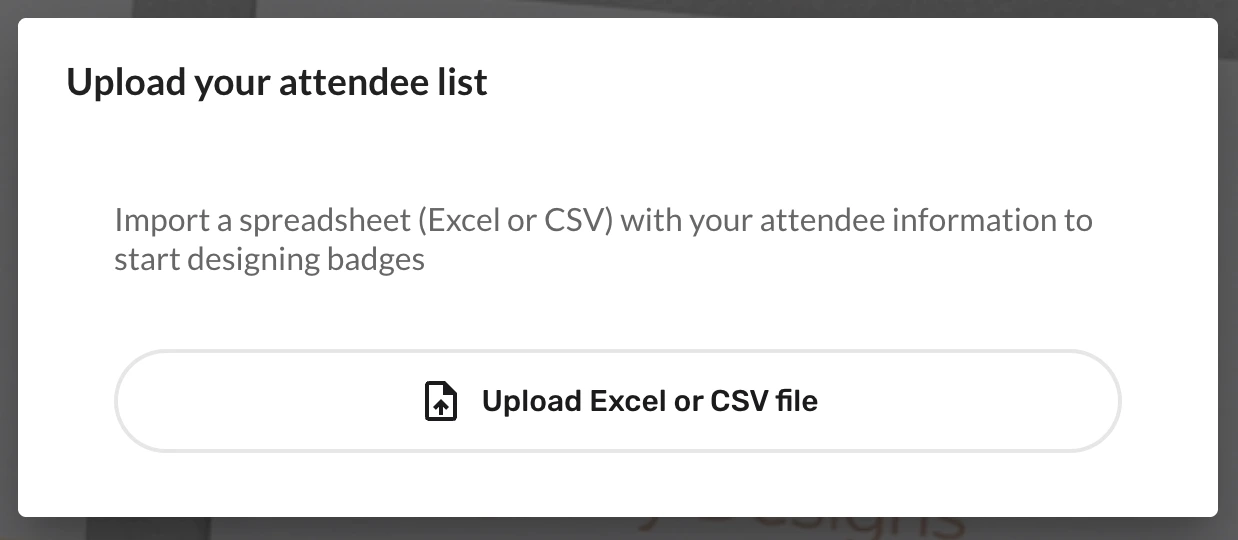
- Click Upload Excel or CSV file.
- Upload the file you exported from Universe.
- Map columns to badge fields (e.g., First Name, Last Name, Company, Role, Ticket type).
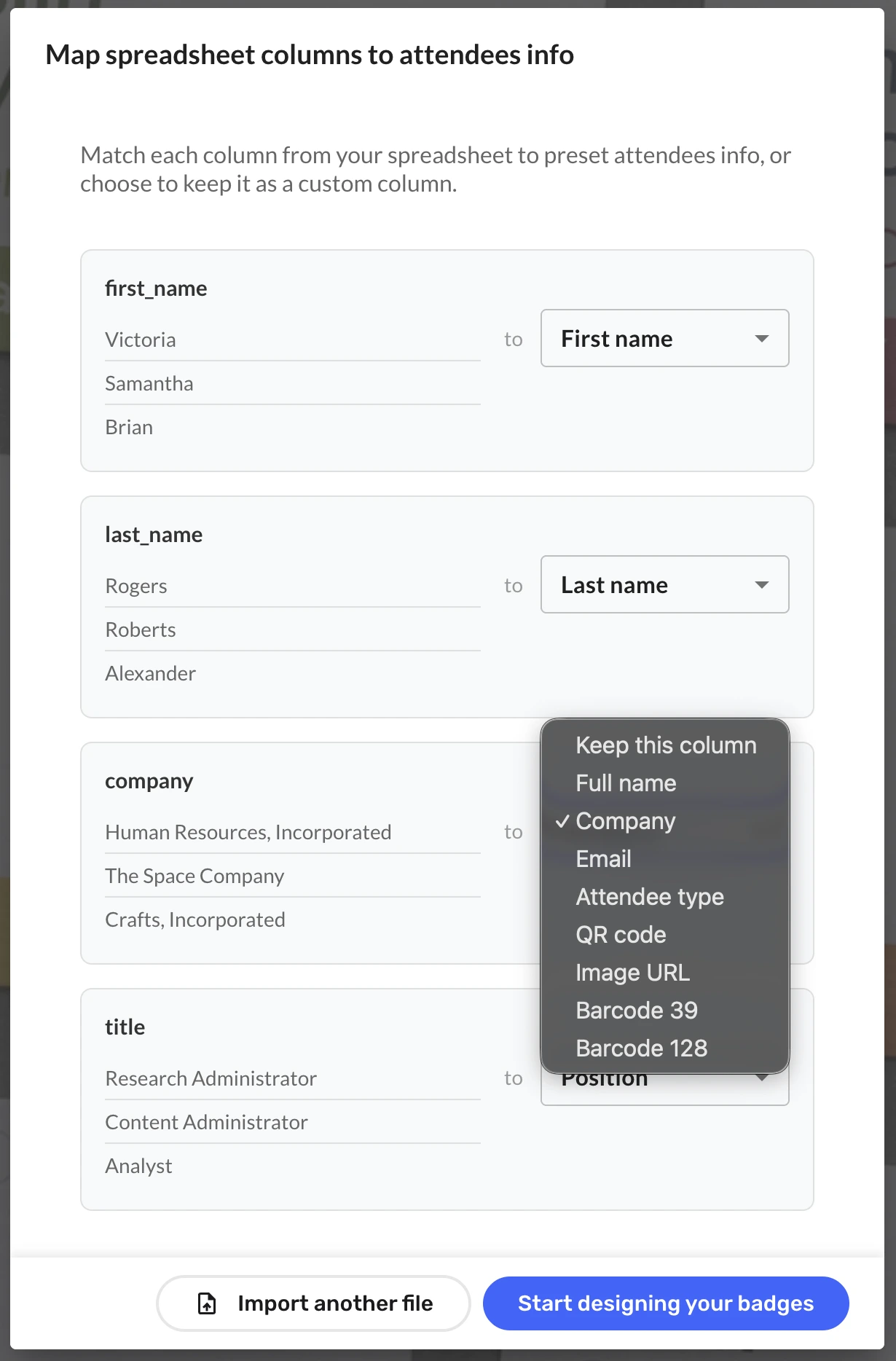
If you need scannable codes on your badges: QR code, Barcode 39 or Barcode 128
- Make sure your export has a unique value per attendee/ticket (common examples: a QR Code value, ticket ID, order ID, or a custom "badge_code").
- Map that column to a QR code, Barcode 39, or Barcode 128 field in BadgeFlow.
Note: Universe's reporting includes QR-related columns in relevant reports (e.g., check-in/reporting fields). If you don't see a QR-related column in your current export, try a different report type (or a Custom Report).
Common Universe columns you'll likely use on badges
- Name (or First Name + Last Name)
- Company / Role (if captured via checkout questions or host fields)
- Ticket type (useful for staff / VIP / speaker badges — see how to use colour-coded roles for company events)
- Email (optional; many organisers avoid printing it)
- QR / unique code (optional; only if you want scannable badges)
Step 4 — Pick a badge size and template
Now the fun bit: making it look professional without spending your entire life nudging text boxes.
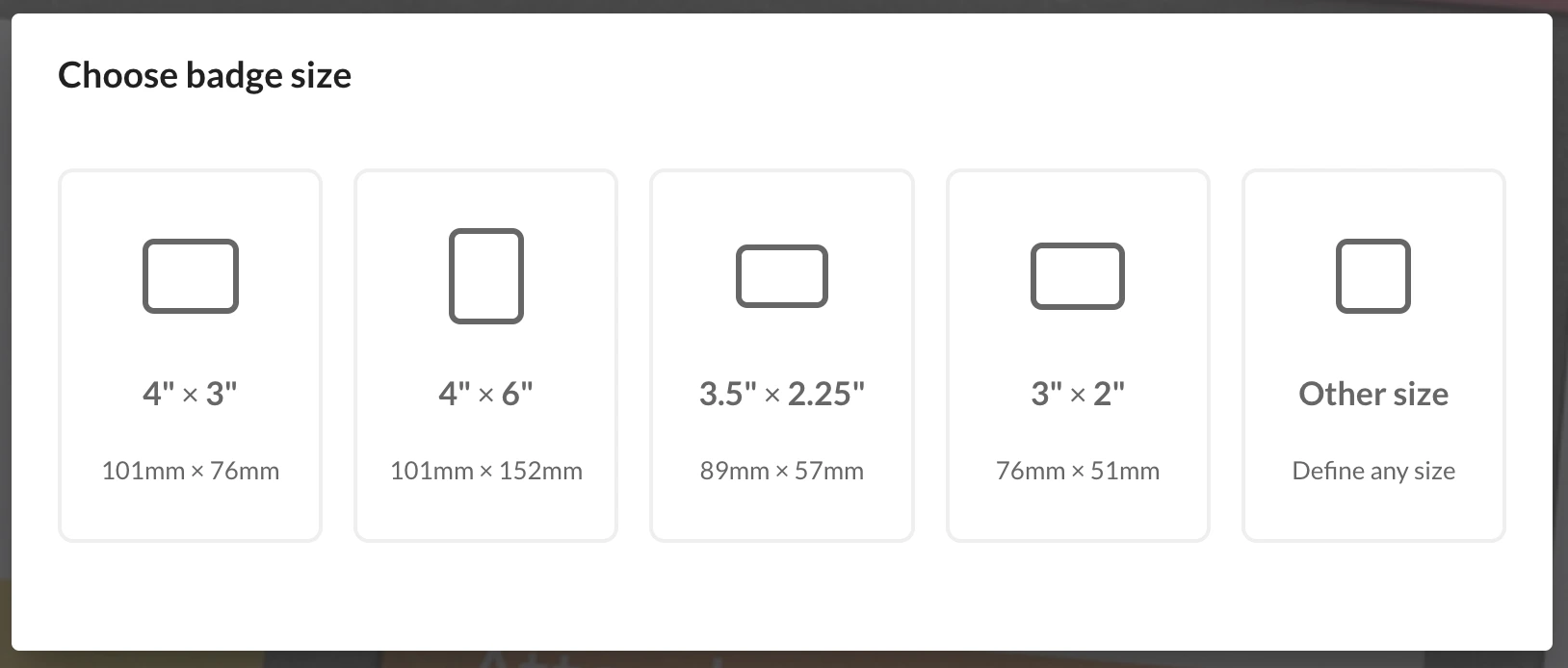
- Select a badge size you need (standard options or custom dimensions).
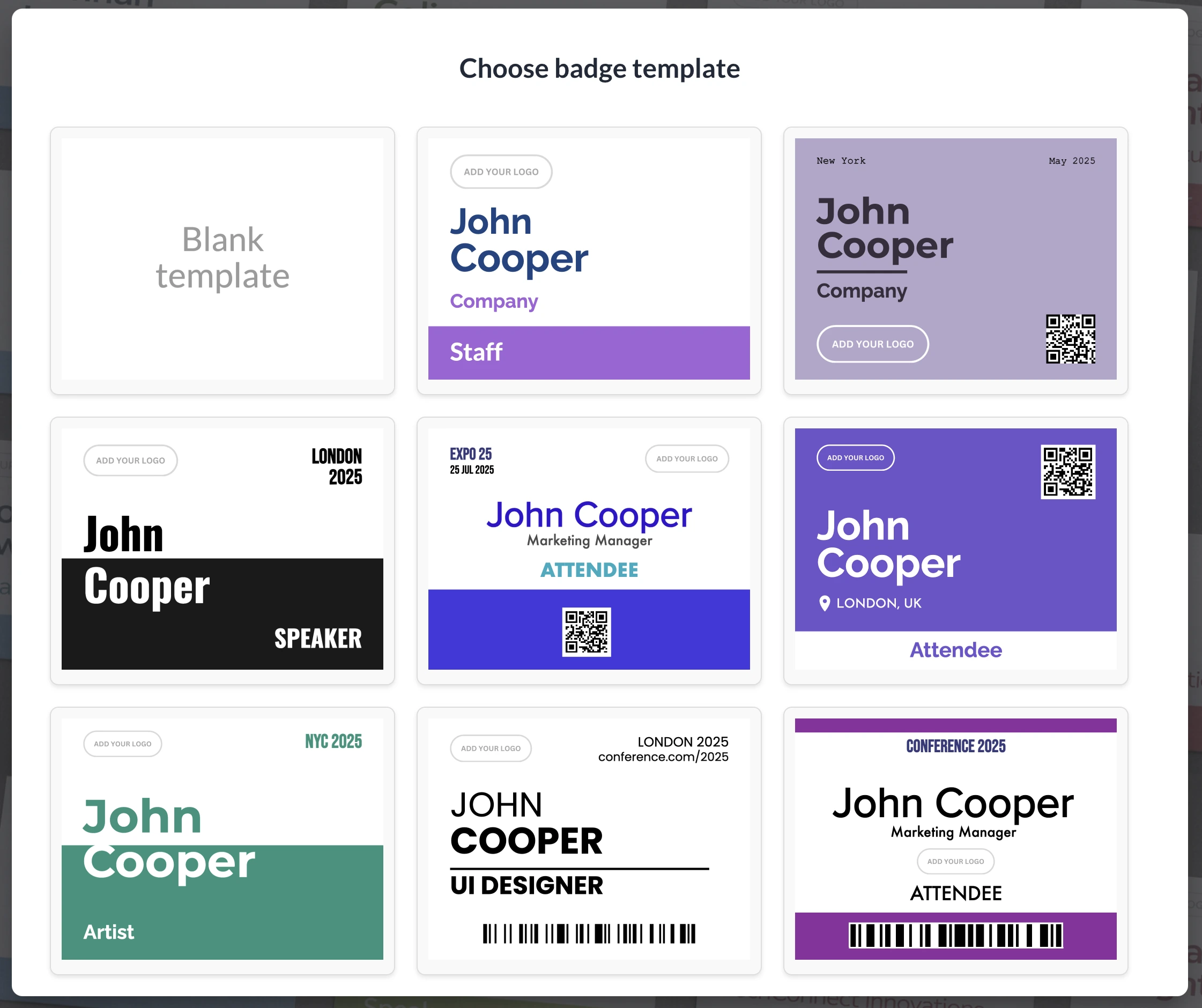
- Select a badge template (30+ pre-designed professional templates to choose from).
Badge design tips (the ones that actually prevent chaos onsite)
- Optimise for readability from 1–2 metres. Big names, high contrast, don't get fancy with thin fonts.
- Make company smaller than name. People greet humans first.
- Keep the layout consistent. "Speaker" badges should look intentionally different (a colour stripe works well).
- Test print one page. Always. Printers are liars until proven otherwise.
For a deeper look at fonts, sizing, colour strategy, and layout hierarchy, see how to design conference name badges.
Step 5 — Customise the template (branding + extra fields)
Templates are just a starting point. In BadgeFlow's intuitive drag-and-drop editor, you can quickly make the badge look like your event.
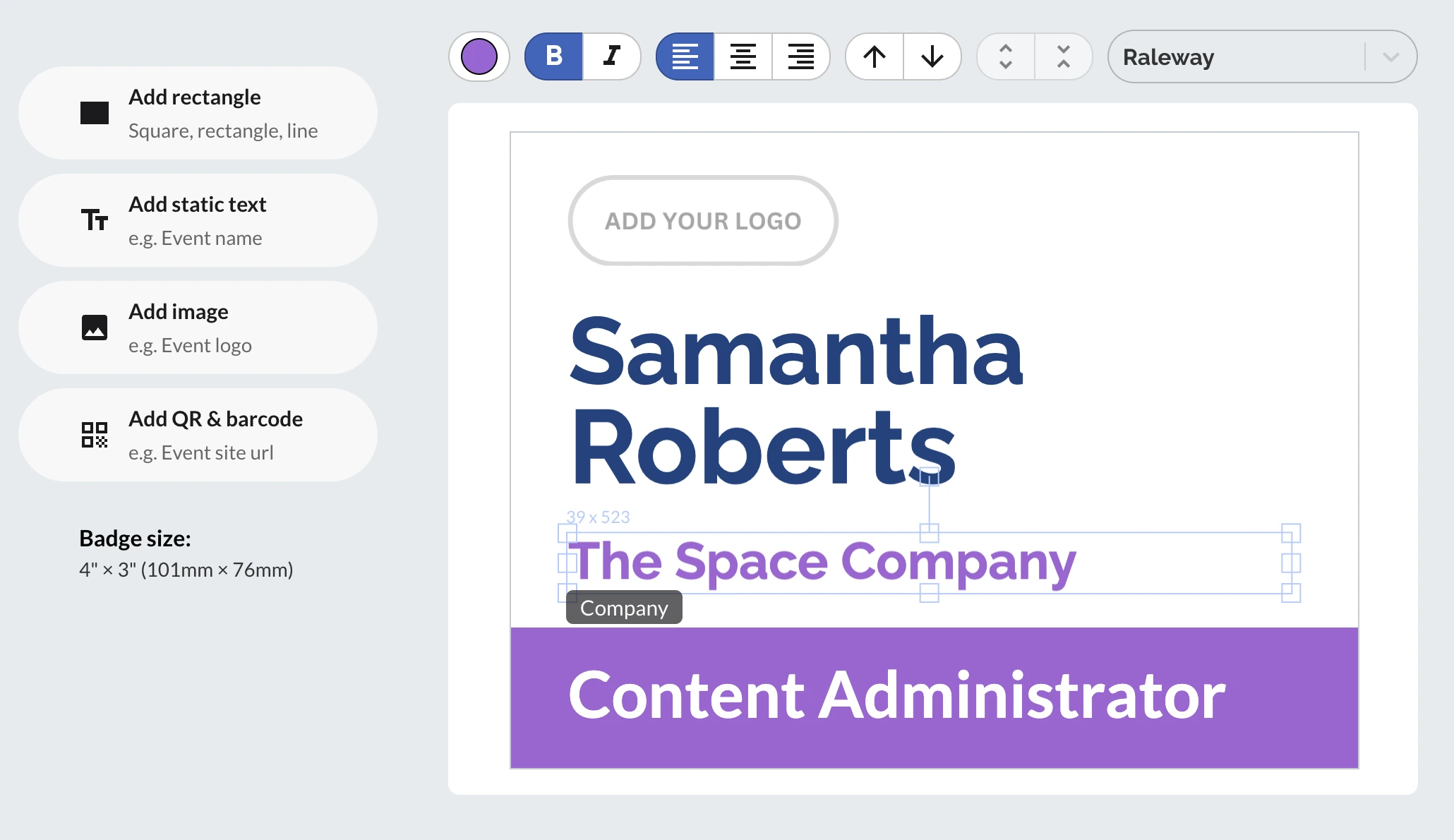
- Tweak styling: change colours, fonts, and spacing to match your branding.
- Add more dynamic fields: drop in extra columns from your CSV/XLS (company, role, ticket type, etc.).
- Add static elements: logo, event name/date, labels like "STAFF" or "SPEAKER", simple shapes/stripes.
- Add a static QR code: the same QR on every badge — perfect for linking to your code of conduct, Wi-Fi details, venue map, schedule, feedback form, or an "emergency info" page.
💡 Tip: Preview a few attendees (short names, long names, missing company) before exporting.
Step 6 — Select paper size
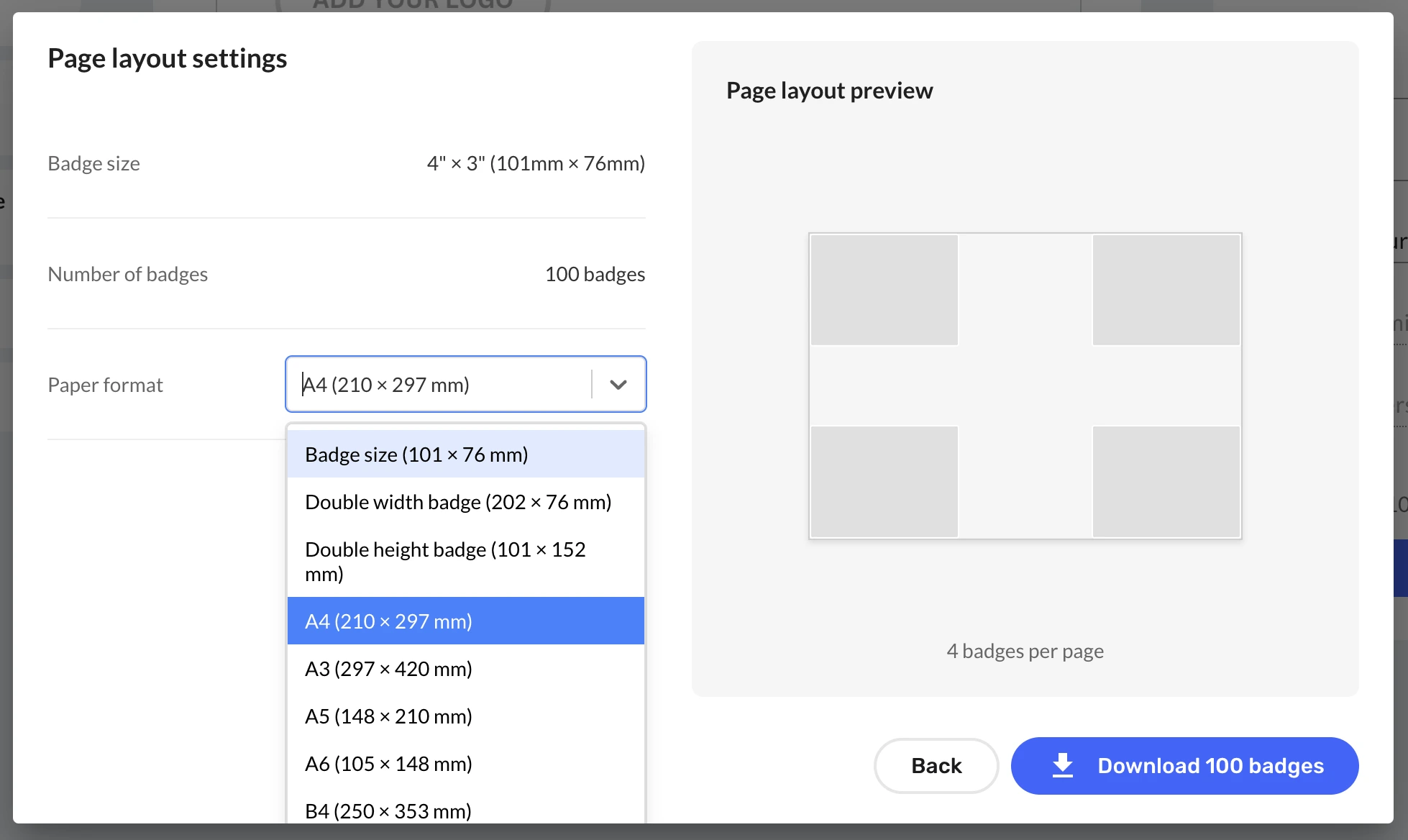
- Click Download badges in the bottom right corner of the screen.
- Select the correct paper size.
- Check the page layout preview to see how it will look.
BadgeFlow supports any paper size — A4, Letter, or custom dimensions. Match your export to the paper or badge stock you're actually using.
- Standard sheets (A4 / Letter): for printing on office paper.
- Badge stock size (for badge printers): if you're printing on a dedicated name badge printer, select the exact badge media size (the insert/stock your printer uses) — standard or custom. BadgeFlow supports any badge dimensions, so you can match your printer's stock precisely and avoid scaling or cropped edges.
Step 7 — Generate your print-ready PDF
Now just click Download badges one more time to generate your print-ready name badges PDF.
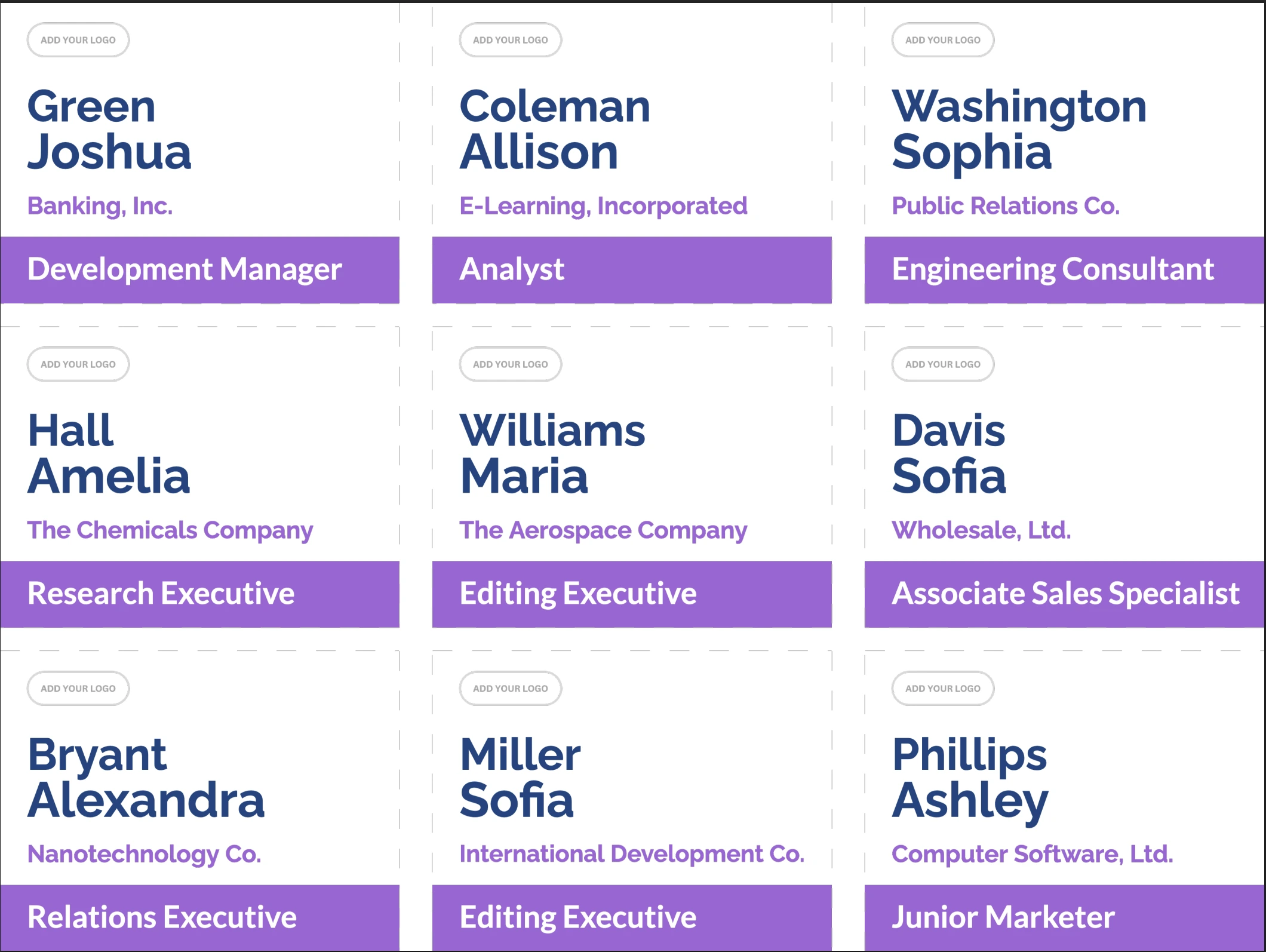
🖨️ Print without scaling
The #1 way to ruin badge alignment is letting your printer "help". When printing the PDF:
- Set scaling to Actual size or 100% (not "Fit").
- Confirm the paper size matches your PDF.
- If using badge sheets: print one test page on plain paper first, then hold it behind a badge sheet up to a light.
⚡️ Troubleshooting (fast fixes)
"My badges are misaligned on the sheet"
- Check print scaling is 100%.
- Confirm the paper size is correct in both BadgeFlow export and printer settings.
- Do a single test page before printing the whole stack.
"Some names are too long"
- Reduce the name font slightly.
- Consider splitting into First Name (big) + Last Name (slightly smaller) for extreme cases.
"My company / role column isn't in the export"
- If it's a checkout question field, use a Custom Report and include Host fields.
- If you exported Orders but need attendee-level fields, try the Guestlist Report instead.
- If you're unsure which report contains the column you need, start from Universe's report overview and pick the closest match.
✅ Recommended workflow recap (the 90-second version)
- Export a Universe report as CSV or XLS (start with Guestlist Report).
- Import the exported file into BadgeFlow.
- Map badge fields → pick a badge size and template → preview.
- Customise the template if needed (branding + extra fields).
- Export a print-ready PDF (any paper size you need) → print at 100%.
FAQ
Can I print Universe.com name badges directly from Universe?
Universe is primarily a ticketing and check-in platform. For printable name badges with full layout control (templates, branding, paper sizes, scannable codes), some organisers export a report to CSV/XLS and use a dedicated badge generator to produce a print-ready PDF.
Which Universe export should I use for badges: Guestlist, Orders, or Custom report?
Guestlist Report is usually best for "one badge per attendee/ticket". Use Orders Report if you need buyer/order details. Use a Custom Report if you want specific columns (especially checkout questions) without extra cleanup.
Can I include QR codes on badges (for check-in or lead scanning)?
Yes — as long as your export includes a unique value per attendee/ticket (often a QR-related field, ticket ID, order ID, or your own custom code), you can place it on the badge as a QR/barcode field.
Does this work for onsite badge printing?
Yes. If you can export a fresh CSV/XLS (or keep an updated attendee list), you can regenerate a new PDF quickly. For truly live, instant printing workflows, you'll want a dedicated onsite setup (printer, stock, and a process for last-minute edits). See how developer meetup organisers handle onsite badge printing for a practical example.
What about paper size — A4, Letter, or custom? Does it matter?
Yes. A4 and Letter are close enough to look "fine" until they're very much not — and if you're using badge stock or a dedicated badge printer, the exact dimensions matter even more. BadgeFlow supports any paper size. Match the PDF export and printer settings to the paper or badge stock you're actually using.